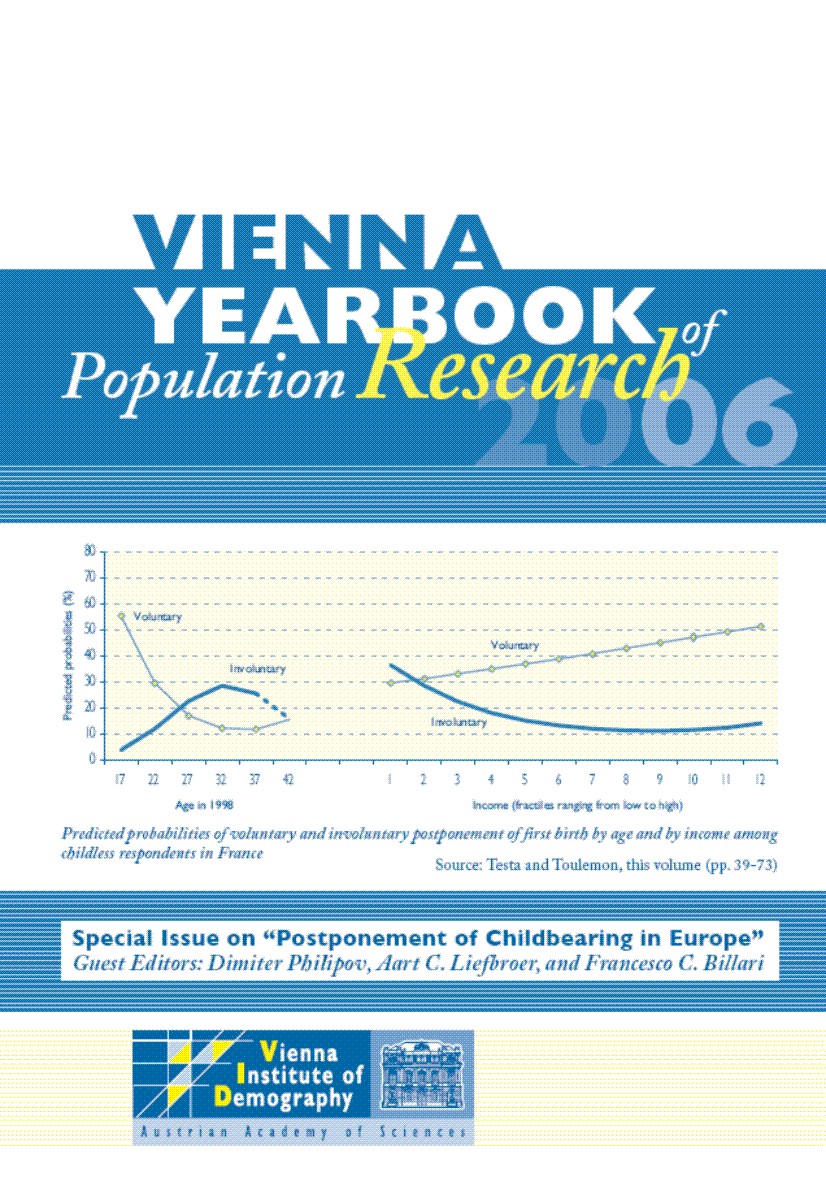
In France, as in all European countries, the birth of a first child has been increasingly delayed over time, but the reasons why individuals decide to postpone the time to become a parent still remain to be deeply investigated at the micro level. In this prospective study we analyse fertility preferences and subsequent reproductive behaviour of childless people, and implement a model that uses desires, or intentions, with their related timing, as key covariates. Results show that desired and intended fertility are a strong predictor of subsequent family formation, even after controlling for the effects of other relevant variables, and people become more realistic about their short-term childbearing plans when asked to assess their personal chance to have a future birth. Moreover, highly educated people anticipate their own transition to parenthood more precisely, as compared to low educated people. Age is the most crucial factor determining the probability to remain involuntarily childless in the interval between the surveys, while persistent childlessness is mostly associated with the lack of a partner if it is a consequence of a deliberate choice to postpone childbearing.