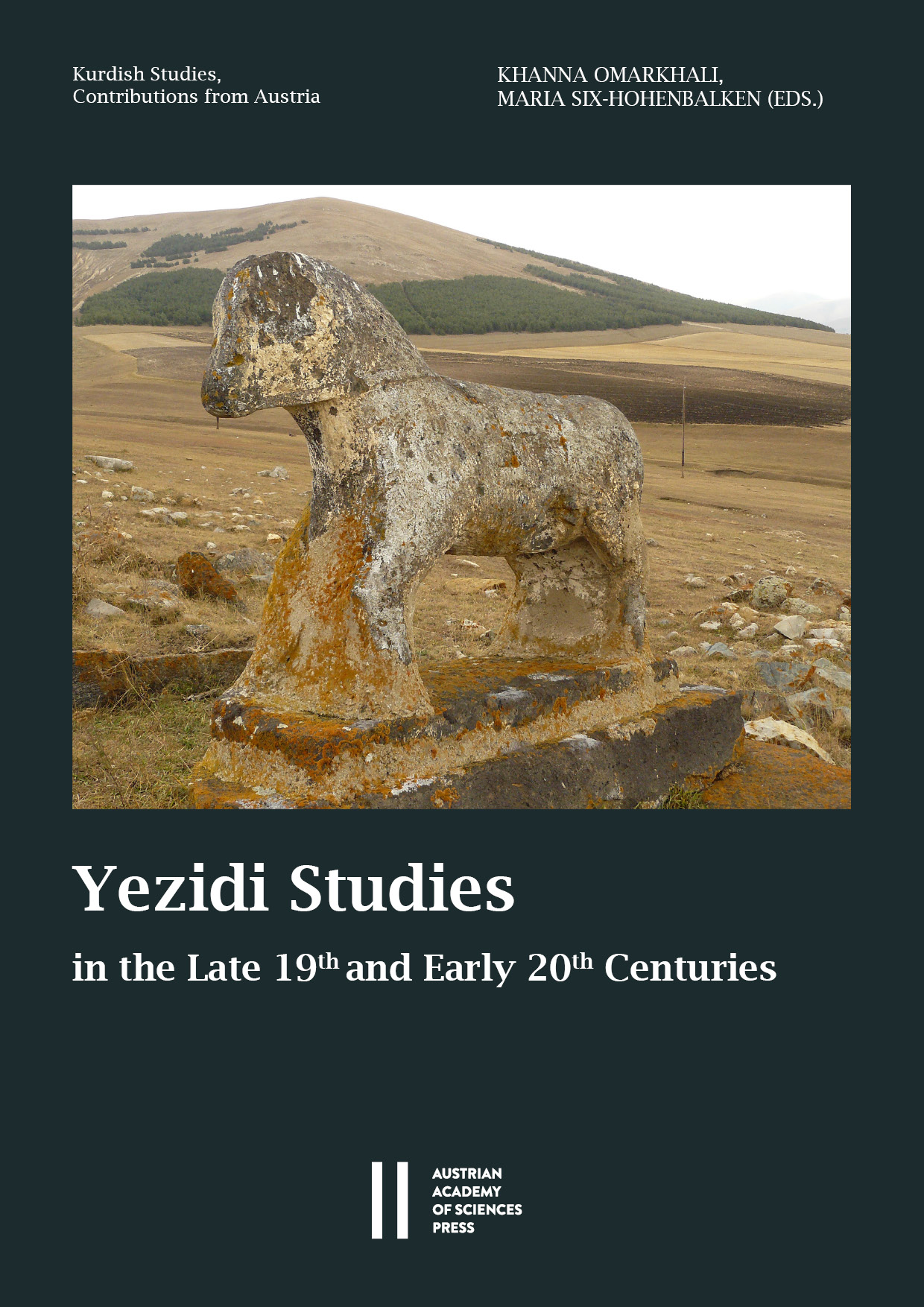
Dieser Sammelband markiert einen „epistemologischen Wandel” in der yezidischen Forschung. Bedingungen und Erkenntnisinteresse, unter denen Wissen über yezidische Gemeinschaften und die Religion von der Mitte des 19. bis Anfang des 20. Jahrhunderts produziert wurde, werden kritisch analysiert.
Die Beiträge konzentrieren sich auf das komplexe Zusammenspiel von akademischen Interessen, kolonialen Projekten, missionarischen Strategien und sensationslüsternen Publikationen, die zu dauerhaften Stereotypen in der Wissenschaft geführt haben. Zentral ist das Werk des österreichischen Orientalisten Maximilian Bittner, dessen Übersetzungen heiliger Texte als Ausgangspunkt für die Untersuchung wissenschaftlicher Netzwerke zwischen Wien, Mossul und Sankt Petersburg dient.
Die besondere Stärke des Bandes liegt in der interdisziplinären Herangehensweise, indem Ansätze von Wissenschaftsgeschichte, Textkritik zu yezidischen Manuskripten, Studien zu Ritualobjekten in Museumssammlungen, vergleichende Analysen wissenschaftlicher Traditionen sowie eine Untersuchung der Stellung der Yezid*innen innerhalb des osmanischen Verwaltungssystems miteinander verbunden werden. Essentiell ist die Integration mündlicher Überlieferung, um zu zeigen, wie das historische Gedächtnis als Mechanismus zum Erinnern und Bewahren von Geschichte fungiert.
…
This edited volume marks an “epistemological shift” in Yezidi research. It critically analyzes the conditions and intellectual interests that shaped knowledge about Yezidi communities and religion from the mid-19th to the early 20th century.
The contributions focus on the complex interplay of academic interests, colonial projects, missionary strategies, and sensationalist publications, which have led to enduring stereotypes in academia. Central to this is the work of the Austrian Orientalist Maximilian Bittner, whose translations of sacred texts serve as the starting point for the investigation of academic networks between Vienna, Mosul, and Saint Petersburg.
The particular strength of the volume lies in its interdisciplinary approach, combining contributions from the history of science, textual criticism of Yezidi manuscripts, studies of ritual objects in museum collections, comparative analyses of scientific traditions, and an investigation of the position of the Yezidis within the Ottoman administrative system. The integration of oral tradition is essential in order to show how historical memory functions as a mechanism for remembering and preserving history.
The volume contains an unprecedented bibliography with over 750 sources in ten languages, making it an important research tool. The volume is an essential reading for anyone interested in religious studies, social anthropology, postcolonialism, Yezidi and Kurdish studies, and the history of science. It offers not only a critical analysis of the past, but also a methodological basis for future research.